

Core Functions of the Fair Work Ombudsman
The Fair Work Ombudsman is an independent statutory body established to protect the rights of workers and employers. Its primary function is to ensure compliance with the Fair Work Act 2009 and other workplace laws. The FWO does not act as a court but rather as a regulator and mediator. It investigates complaints, conducts audits, and enforces penalties for serious breaches. For NSW employers, understanding this role is the first step in managing disputes effectively.
Compliance and Advice
Dispute Resolution Services
When a dispute arises, the FWO provides a free dispute resolution service. This service aims to resolve issues between employers and employees through mediation. The process is informal and confidential. It allows both parties to discuss the issue and reach a mutually agreeable solution. This service is particularly useful for resolving issues related to underpayment, unfair dismissal, or breach of contract.
Handling Employee Disputes in NSW
New South Wales employers often face disputes related to pay, leave, and working conditions. The FWO plays a central role in resolving these issues. It investigates complaints and can take enforcement action if necessary. The FWO has the power to issue compliance notices and seek penalties from the Federal Court. This enforcement power ensures that employers take their obligations seriously. For NSW businesses, engaging with the FWO early can prevent costly legal battles.
Investigation and Enforcement
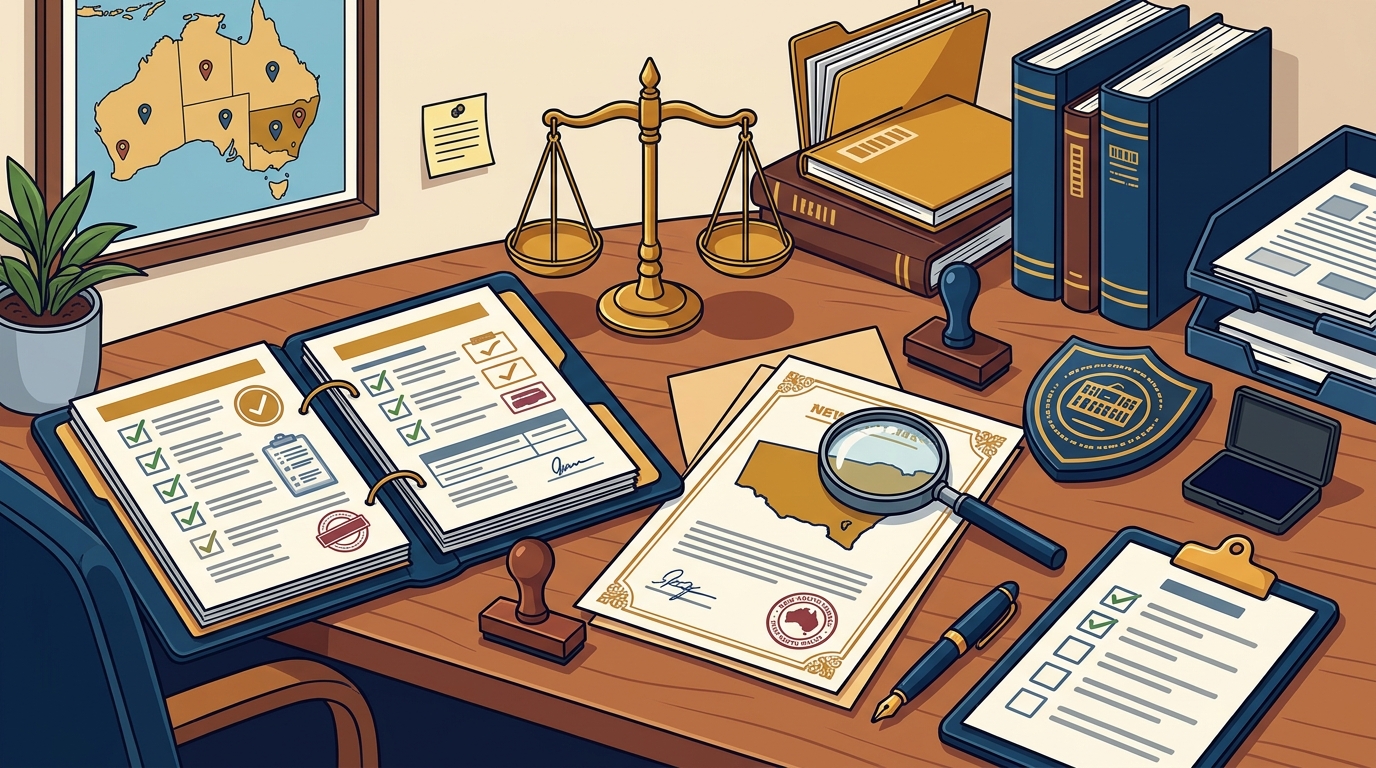
The FWO investigates complaints from workers, unions, and other stakeholders. It can conduct audits of employers to check compliance with workplace laws. If a breach is found, the FWO can issue a compliance notice. This notice requires the employer to take specific actions to rectify the breach. Failure to comply can result in significant penalties. The FWO also has the power to seek compensation for workers who have been underpaid.
Mediation and Conciliation
Before taking enforcement action, the FWO often attempts to resolve disputes through mediation. This process is facilitated by a neutral third party. It encourages open communication between the parties. The goal is to reach a settlement that satisfies both sides. This approach is less adversarial than litigation and can save time and money. It is a key tool for NSW employers looking to resolve disputes amicably.
Compliance Obligations for NSW Employers
Award Compliance
Record Keeping and Reporting
Employers are required to keep accurate records of employee hours, wages, and leave. These records must be available for inspection by the FWO. Proper record keeping is essential for demonstrating compliance. It also helps in resolving disputes by providing clear evidence of what was paid and when. The FWO can request these records during an investigation. Maintaining robust record keeping systems is a key part of compliance.
Strategies for Resolving Disputes
Communication and Documentation
Escalation and Legal Action
Key Takeaways
- The Fair Work Ombudsman is the independent regulator of the national workplace relations system in Australia.
- It provides free advice, dispute resolution services, and enforcement actions for NSW employers.
- Compliance with the Fair Work Act 2009 and relevant awards is a legal requirement for all employers.
- Proactive communication and documentation are key to resolving disputes effectively.
- The FWO can issue compliance notices and seek penalties for serious breaches.
- Engaging with the FWO early can prevent costly legal battles and maintain positive workplace relations.
- HRM Consulting assists NSW businesses in navigating these regulatory frameworks.
Frequently Asked Questions
What is the primary role of the Fair Work Ombudsman?
The primary role of the Fair Work Ombudsman is to ensure compliance with the Fair Work Act 2009 and other workplace laws. It protects the rights of workers and employers by providing advice, resolving disputes, and enforcing penalties for breaches.
Does the Fair Work Ombudsman provide free services to employers?
Yes, the Fair Work Ombudsman provides free advice and dispute resolution services to employers. These services are designed to help employers understand their obligations and resolve disputes amicably.
Can the Fair Work Ombudsman take legal action against employers?
How can NSW employers stay compliant with workplace laws?
NSW employers can stay compliant by understanding their obligations under the Fair Work Act 2009 and relevant awards. They should keep accurate records, communicate clearly with employees, and seek advice from the FWO or HR consultants when needed.
What happens if a dispute cannot be resolved through mediation?
How can HRM Consulting help NSW employers with Fair Work Ombudsman issues?
HRM Consulting helps NSW employers navigate the complex regulatory landscape by providing expert HR consulting services. They assist with compliance, dispute resolution, and strategic HR planning to ensure that businesses meet their legal obligations and maintain positive workplace relations.
Conclusion
The Fair Work Ombudsman plays a vital role in protecting the rights of workers and employers in Australia. For NSW employers facing employee disputes, understanding the FWO's functions is essential. By staying compliant, communicating clearly, and seeking advice when needed, employers can resolve disputes effectively. HRM Consulting is your partner in navigating these challenges, offering tailored HR solutions to drive performance and cultural transformation within your organization. Learn more: hrmconsulting com au.